
Medical Gas Pipeline System
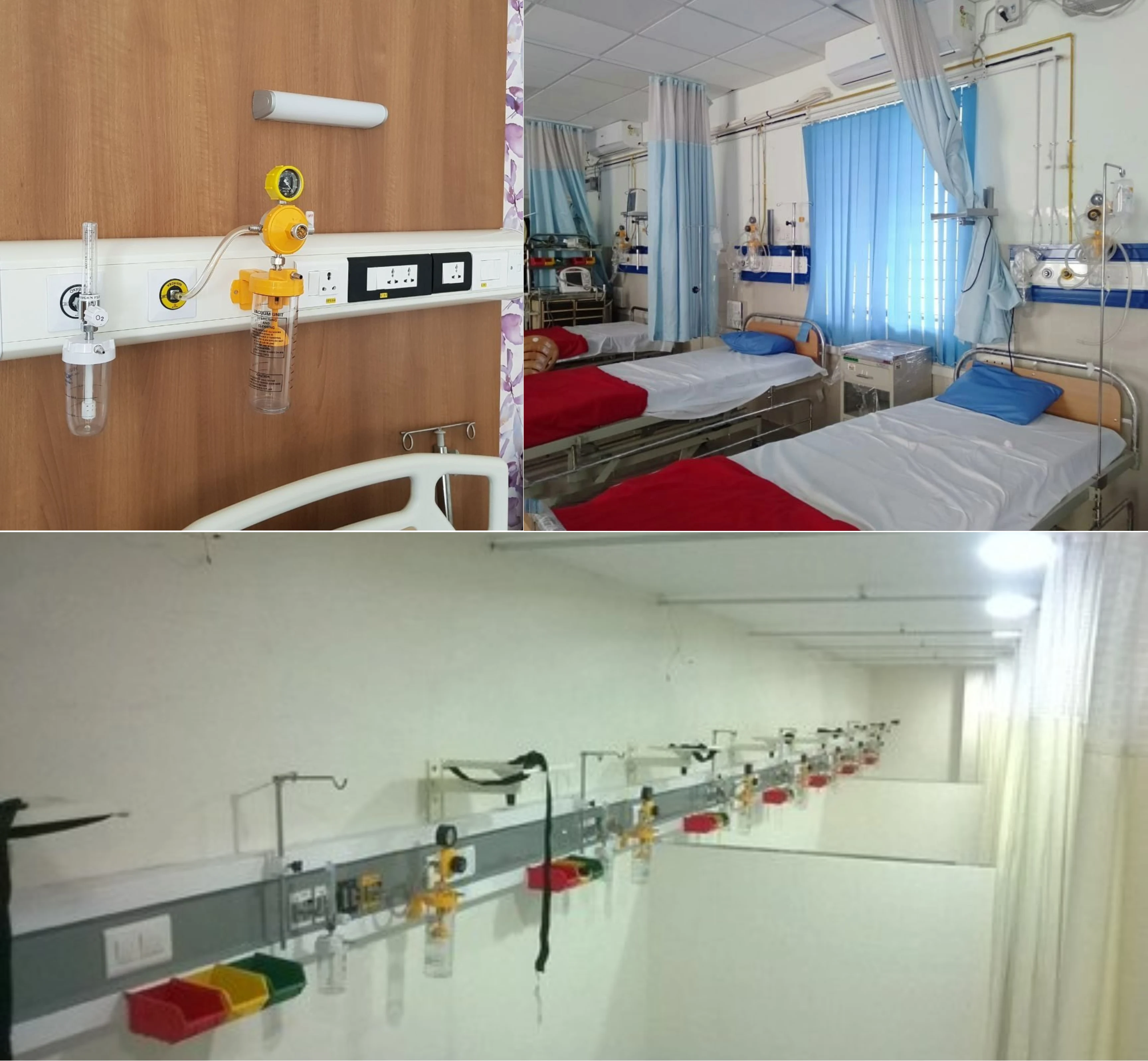
Medical Gas Pipeline System
Sanmedi offers advanced medical gas pipeline systems and a full range of accessories for safe, efficient oxygen and medical gas distribution in hospitals and healthcare facilities. Focused on reliability and performance, we deliver complete, cost-effective solutions with proven technology.
We’ve successfully executed installations in leading hospitals and institutions across the region. Our commitment to quality—from durable piping to precision-engineered accessories—ensures long-term system integrity.
At Sanmedi, we don’t just install; we partner. Our dedicated after-sales support and maintenance services ensure uninterrupted performance and peace of mind.
What Makes a Reliable Medical Gas Pipeline System?
At Sanmedi, we ensure every system is built to meet the highest safety and performance standards:
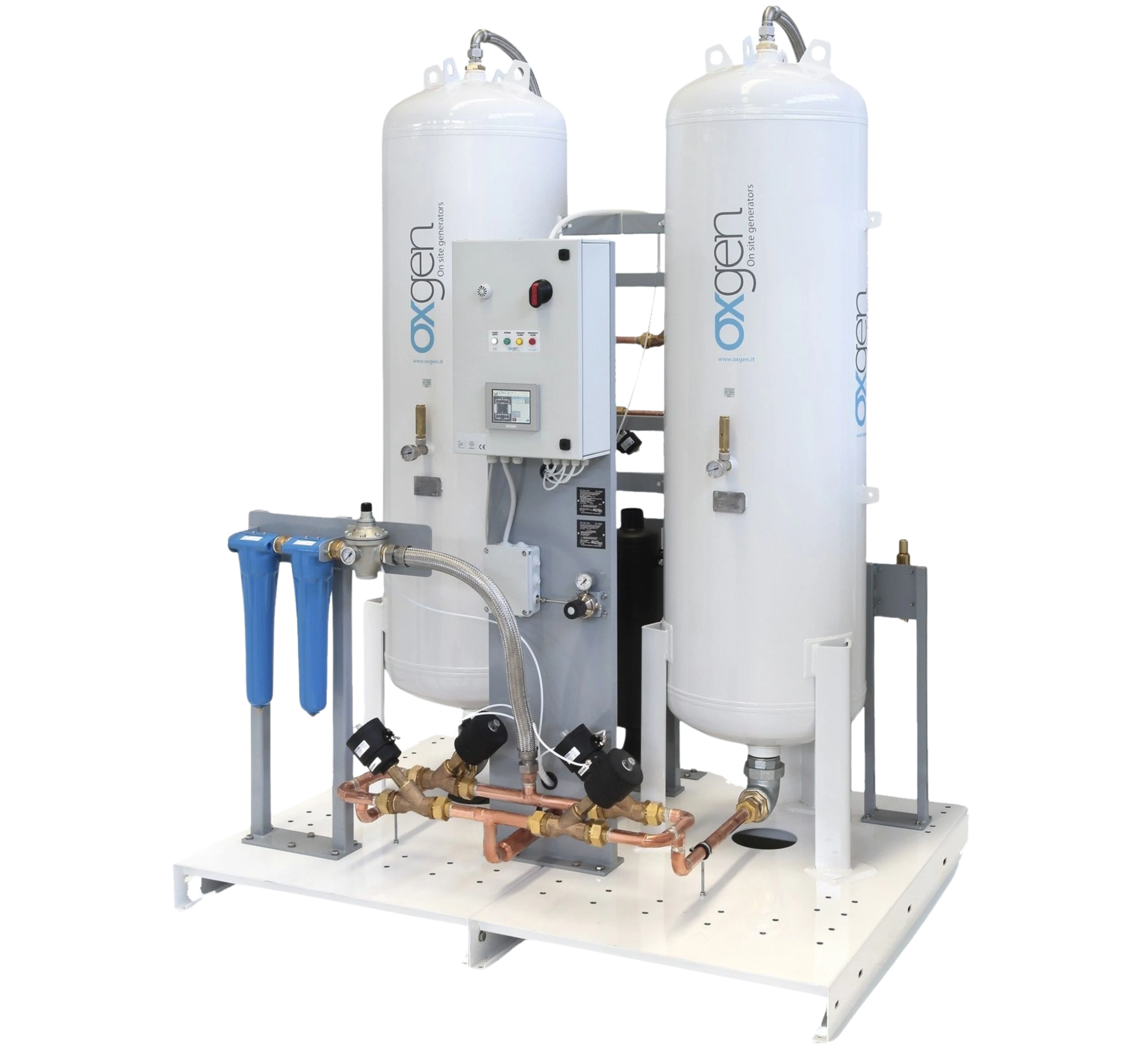
Importance of Design & Standards in MGPS
The design and installation of a Medical Gas Pipeline System (MGPS) play a critical role in ensuring its safety and performance. To maintain high standards, these processes must strictly adhere to quality and compliance protocols.
Complete system responsibility covers design, installation, operational training, and final verification—handled either by a single agency or multiple specialized teams.
Internationally, ISO 7396 is the most commonly followed standard for MGPS and anaesthesia gas scavenging systems. Other recognized standards include HTM 2022 and NFPA 99.
For example, NFPA 99 (Sec. 4-3.1.9.1) mandates that medical air compressors must not introduce oil, water, or other contaminants into the pipeline. Using non-medical-grade compressors poses serious risks, such as contamination of medical air with toxic substances.
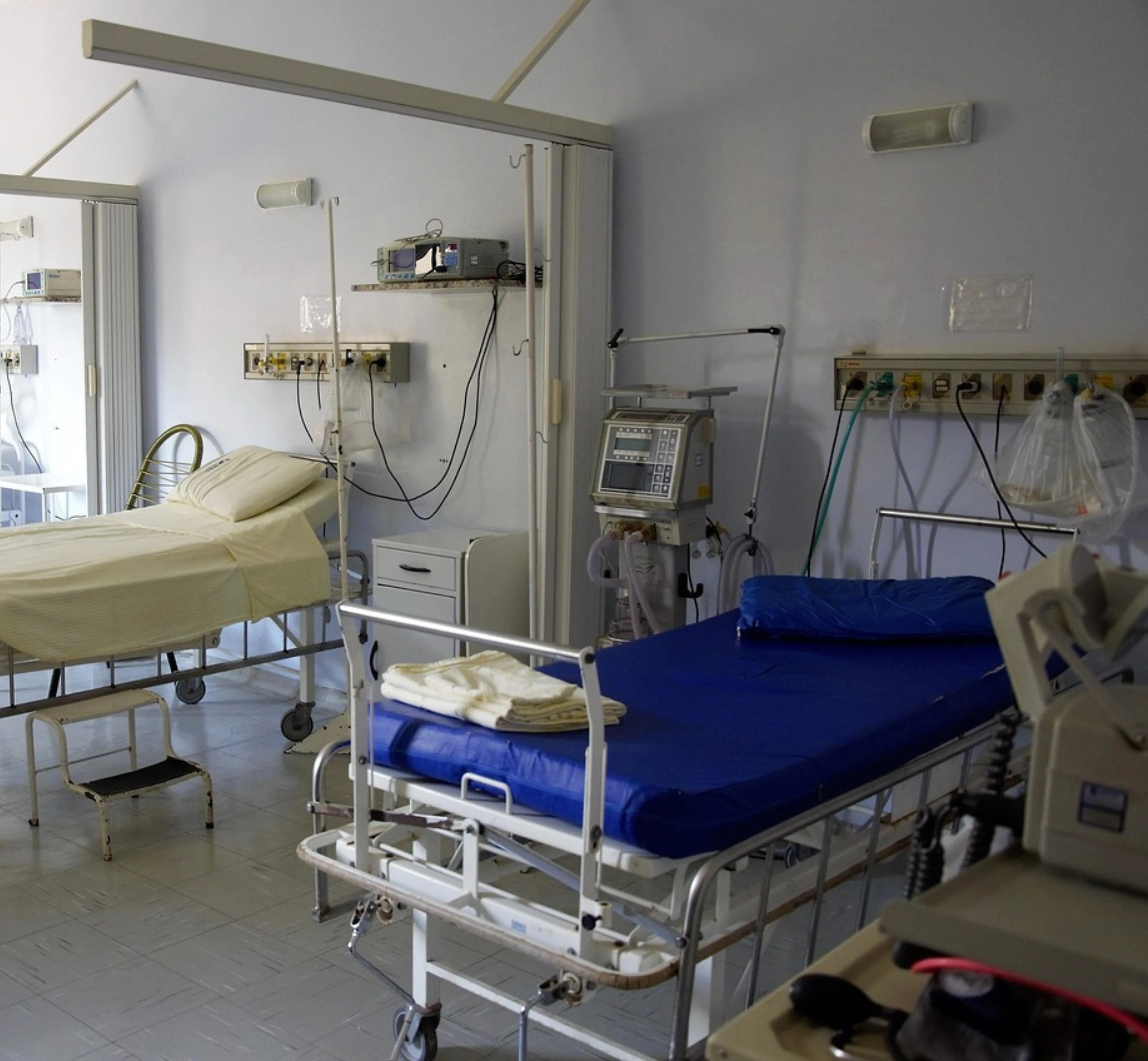

Water is the most common and damaging contaminant in medical air lines. It can bypass filters and enter anaesthesia machines, ventilators, and even reach the patient. Moisture promotes bacterial growth, corrodes copper pipelines, and in low temperatures, can freeze and block airflow. These issues not only compromise patient safety but also damage costly equipment. Importantly, not all air compressors are suitable for medical use—non-medical-grade units may introduce oil and hydrocarbons, which is why proper filtration and hydrocarbon monitoring are essential in any medical gas system.